Your Complete Guide to Velvet Sofa Fabric: Types, Care, Colours and Who Should Choose It
Quick answer: Velvet is a woven fabric with a dense, short pile of upright fibres. That pile gives it its soft touch, its rich colour and the way it catches the light. Today’s upholstery velvets are mostly polyester, which makes them far tougher and easier to live with than the silk velvets of the past. Velvet is a great everyday sofa fabric for most homes, as long as you are happy to vacuum it regularly and keep it out of harsh sun. This guide covers what velvet is, the types you will find, which sofas and furniture suit it, who should (and shouldn’t) choose it, how to care for it, and how to pick the right colour for your home.
In this guide: What is velvet? · From royal fabric to everyday sofas · Types of velvet · How velvet is evolving · The look and feel · Key features · Everyday use · How long it lasts · Which sofas suit velvet · Other furniture and spaces · Who should choose it · Who should think twice · Do’s and don’ts · Care and cleaning · Choosing colours · Modern or traditional homes · The Mittals range · FAQs
What is velvet?
Velvet is a woven fabric with a dense, even pile: thousands of tiny cut fibres standing upright on the surface. It is traditionally woven on a special loom as two layers at once, joined by extra yarns that are then cut apart to create the pile on each layer.
That upright pile is what makes velvet feel soft and look so rich. Light falls into the pile and reflects back unevenly, so the same colour looks deeper in some places and brighter in others. The direction the fibres lie is called the nap. Brush your hand one way and the colour lightens; brush it the other way and it darkens. That shifting shade is part of velvet’s charm.
From royal fabric to everyday sofas
Velvet has a long, luxurious history. Merchants carried it along the old trade routes to Baghdad in the 8th and 9th centuries. Medieval Cairo became a major producer, and Italian and Flemish weavers later made velvets famous across Europe. Because it was made from silk and took great skill to weave, velvet was expensive, and it became the fabric of kings, nobles and palaces.
What changed everything is fibre. Modern upholstery velvet is mostly woven from polyester, sometimes blended with cotton or viscose. Polyester velvet keeps the soft hand and deep colour of the original, but it is stronger, holds its colour better and costs a fraction of silk. That is why velvet has moved out of the palace and into the everyday living room.
Types of velvet you will find in the market
| Type | What it looks and feels like | Best for |
|---|---|---|
| Plush (plain) velvet | Smooth, even pile with a soft sheen; solid colour | Sofas, armchairs, headboards; the everyday classic |
| Matte velvet | Low sheen, velvety touch; looks calm and modern | Contemporary and minimal homes, family sofas |
| Crushed velvet | Pile pressed in different directions for a shimmering, uneven look | Statement pieces, glamorous and traditional rooms |
| Textured and printed velvet | Marble, distressed or abstract effects printed or pressed into the pile | Accent chairs and sofas where you want visual interest |
| Embossed velvet | A pattern heat-pressed into the pile | Cushions, accent chairs, headboards |
| Panné velvet | Pile pressed flat in one direction for a high shine | Mostly fashion and decor accents |
| Cotton velvet | Soft, slightly dry, matte hand; more prone to crushing | Classic and heritage furniture |
| Silk velvet | The most luxurious drape and sheen; delicate and expensive | Fashion and very occasional pieces |
| Polyester and microfibre velvet | Soft, durable, colourfast; the modern upholstery standard | Everyday sofas and chairs in busy homes |
| Performance velvet | Polyester velvet with extra stain or water resistance, or a non-shedding pile | Families, pets, hospitality |
| Velvet-touch coated fabric | A velvety surface on a coated base, combining a soft look with easy wipe-down care | High-use seating and commercial spaces |
How velvet is evolving
- From silk to polyester: microfibre polyester velvets are now soft, strong and affordable, which has made velvet an everyday choice.
- Non-shedding piles: newer velvets hold their fibres firmly, so they don’t leave fluff on clothes or cushions. Mittals’ Smoothy is sold as a non-shedding velvet.
- Performance finishes: stain-resistant and water-repellent treatments mean spills bead on the surface for a few seconds, giving you time to blot them.
- Matte over shine: modern interiors favour low-sheen, matte velvets that look soft and relaxed rather than glossy.
- Texture and print: marbled, distressed and abstract effects (like Mittals’ Velvo) add depth without a loud pattern.
- Velvet-touch hybrids: coated fabrics with a velvety finish bring the soft look to places that need wipe-clean toughness.
- New colours and shapes: jewel tones such as emerald, sapphire and mustard sit alongside earthy sage, rust and taupe. Curved sofas, channel tufting and rounded armchairs have made velvet a design favourite again.
What velvet brings to a home
- Depth of colour: no other fabric holds colour quite like velvet. A green velvet sofa looks richer than a green weave in the same shade.
- Light and movement: the pile catches daylight and lamplight, so the sofa looks different through the day.
- Warmth and comfort: velvet feels soft and inviting, and it makes a room feel cosy, especially in air-conditioned homes.
- Instant luxury: a single velvet piece can make an ordinary room feel finished and expensive.
- A softer room: like other plush soft furnishings, a dense velvet helps soften echo in rooms with hard floors and bare walls.
Key features of upholstery velvet
- Dense, tight pile: there are no loops to catch on rings, buttons or claws, unlike loose weaves and bouclé.
- Durable: good polyester velvets are rated for everyday domestic use. Mittals’ Velvo is rated at 25,000 Martindale rubs and Smoothy at 40,000.
- Colourfast: polyester holds dye well, though all fabrics fade in strong, direct sun.
- Soft to the touch: comfortable for long sits and lounging.
- Versatile: works on sofas, chairs, beds, benches and wall panels.
- Shows its character: the pile can show seat marks and shading where it is sat on or brushed. This is normal, and a quick brush usually lifts it.
Is velvet good for everyday use?
Yes, if you choose a good upholstery-grade polyester velvet and give it simple, regular care. Durability is measured with the Martindale rub test, which counts how many rubs a fabric survives before it shows wear. As a guide, 20,000 to 25,000 rubs suits general domestic use and 25,000 to 30,000 suits heavy domestic use. For a family’s main sofa, look for 25,000 rubs or more.
The trade-offs are honest ones. Velvet attracts dust, lint and pet hair, so it needs a quick vacuum or brush every week. Its pile can show pressure marks where people sit most. And like any fabric, it can absorb a spill if you leave it, so blot quickly.
How long does a velvet sofa last?
A well-made polyester velvet sofa, cared for properly, will look good for many years of daily use. What makes the biggest difference:
- The fabric grade: a dense pile and a higher rub count last longer.
- Sunlight: keep velvet out of harsh direct sun, which fades colour over time.
- Rotation: flip and rotate seat cushions so wear spreads evenly.
- Gentle cleaning: vacuuming and blotting beat scrubbing and chemicals every time.
- Construction: a good frame, foam and stitching matter as much as the fabric.
Which sofas suit velvet?
- Chesterfield and button-tufted sofas: the classic velvet pairing. Tufts catch light beautifully.
- Channel-tufted sofas and chairs: vertical channels show off velvet’s sheen.
- Curved and sculptural sofas: velvet wraps smoothly around curves and rounded arms.
- Mid-century sofas and armchairs: slim arms, tapered legs and jewel-tone velvet are a natural match.
- Tuxedo and Lawson sofas: clean, tailored shapes look sharp in velvet.
- L-shaped and sectional sofas: great in matte or performance velvet for family lounging.
- Loveseats, settees and daybeds: small pieces that make a big impression.
Tip: tight-back sofas and firmer seats show fewer pressure marks than very soft, loose-cushion designs.
Where else can velvet be used?
- Accent and wingback chairs: an easy way to bring colour into a room.
- Dining chairs: choose a darker or patterned velvet and blot spills fast.
- Upholstered beds and headboards: velvet is a favourite for tall, padded and channelled headboards.
- Ottomans, benches and pouffes: at the foot of the bed, in hallways or as coffee-table seating.
- Bar stools and counter chairs in kitchens and home bars.
- Wall panelling: padded velvet panels behind beds, TV units and reception desks. Mittals’ Velvo and Smoothy are both rated for sofas, chairs and panelling.
- Cushions, window seats and bay seating.
- Home theatres and lounges: velvet looks rich in low light and feels great for long sits.
- Hospitality and retail: hotel lobbies, lounges, salons, boutiques, banquet halls and café booths, especially with performance velvet.
Who should choose velvet?
- Homes with air conditioning, where velvet’s soft warmth feels cosy rather than hot.
- Families with older children and adults who want a sofa that is comfortable for long movie nights and lounging.
- Homes with dogs, if you choose a tight, dense pile: there are no loops for claws to catch, and hair brushes off easily.
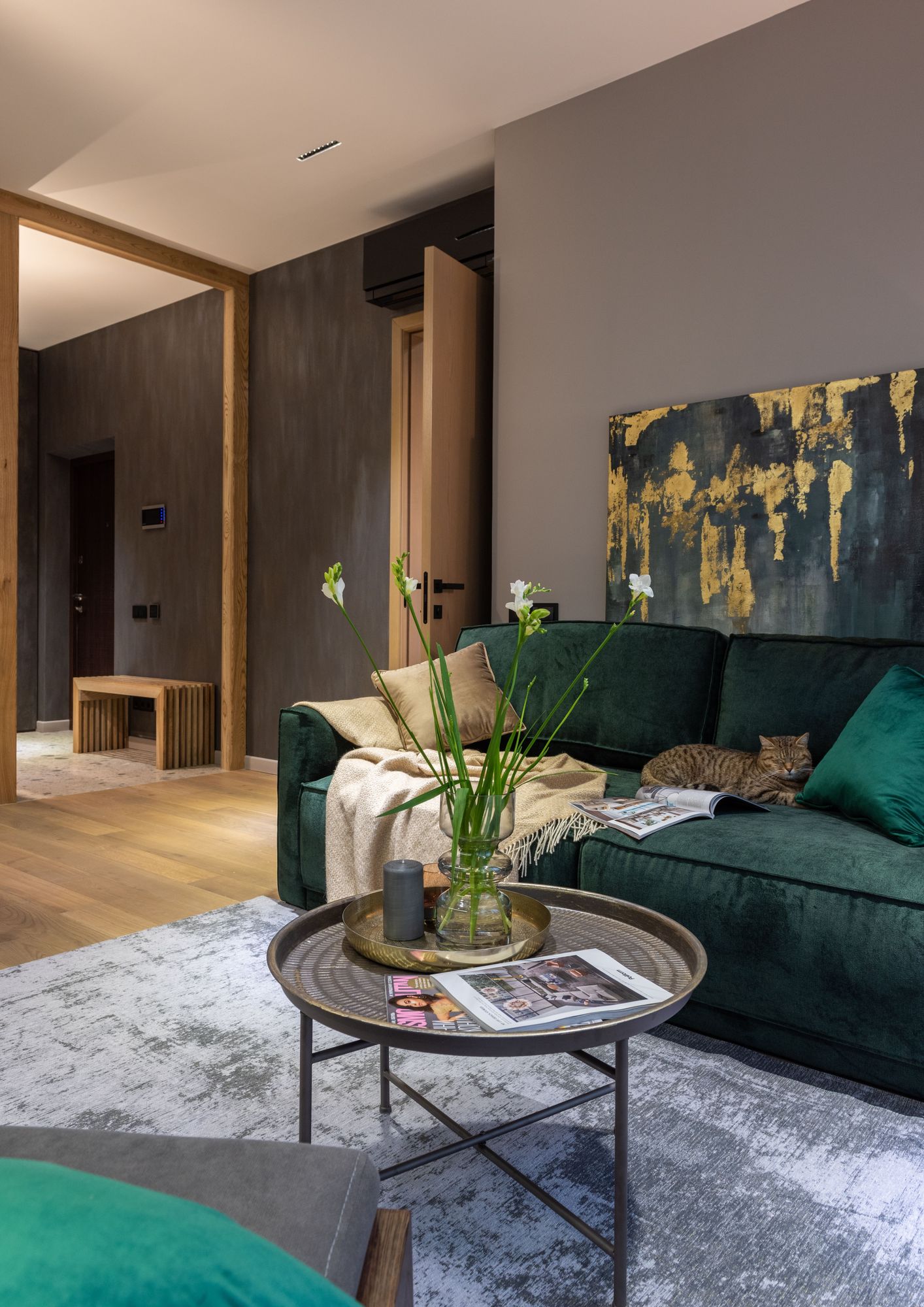
- Anyone who loves colour: velvet shows off jewel tones and earthy shades better than any other fabric.
- Design-led homes: modern, mid-century, glam, classic and Indian contemporary interiors all look better with a velvet piece.
- Formal living rooms and bedrooms, where velvet’s luxury feel can really shine.
- Hotels, lounges, salons and showrooms that want a premium look, ideally in performance velvet.
Who should think twice?
- Very hot rooms without air conditioning, where you sit for hours in summer. Velvet’s pile holds warmth, so a breathable cotton or linen-look weave may be more comfortable.
- Homes with cats that scratch: even a tight pile can be pulled by determined scratching.
- Families with toddlers who eat on the sofa, unless you choose a performance velvet or a darker shade and are ready to blot spills quickly.
- Furniture in strong, direct sunlight, such as beside a west-facing window, where colours will fade over time.
- Very dusty homes or sites where you can’t vacuum regularly; dust shows on velvet’s pile.
- Anyone who wants zero visible marks: velvet’s pile naturally shows shading and seat marks.
- Outdoor and semi-outdoor seating: indoor velvet isn’t made for rain and full sun.
Velvet do’s and don’ts
Do
- Vacuum weekly with a soft brush attachment, along seams and under cushions.
- Blot spills straight away with a clean, dry, lint-free cloth.
- Brush the pile gently with a soft clothes brush to lift seat marks.
- Rotate and flip cushions every few weeks.
- Keep velvet out of harsh direct sunlight, or draw curtains in the afternoon.
- Keep furniture away from heaters, AC outdoor units and hot lamps.
- Test any cleaning method on a hidden area first.
Don’t
- Rub a spill, which pushes it deeper and damages the pile.
- Soak the fabric or pour water onto it.
- Use bleach, harsh chemicals or solvent cleaners. Mittals’ care instructions say to avoid all chemical products.
- Machine wash, dry clean, iron or tumble dry velvet upholstery.
- Use stiff brushes or hard vacuum heads that can scratch the pile.
- Leave heavy objects sitting on cushions for long periods.
How to care for a velvet sofa
- Weekly: vacuum with a soft brush attachment, working with the direction of the pile, and get into the seams.
- Spills: blot (never rub) with a dry, lint-free cloth and leave it on the spot until it stops absorbing.
- Light marks: wipe gently with a cloth that is only slightly damp, then let it air dry and brush the pile back up.
- Seat and pressure marks: brush gently against the pile with a soft brush to lift it. Marks usually fade on their own as the fabric settles.
- Every few weeks: plump, flip and rotate cushions.
- Stubborn stains: call a professional upholstery cleaner, or ask your dealer, rather than reaching for a household chemical.
Which velvet colour suits which room?
| Colour | Mood | Where it works |
|---|---|---|
| Emerald and bottle green | Rich, classic, glamorous | Living rooms, Chesterfields, accent chairs |
| Navy and teal | Calm, elegant | Living rooms, bedrooms, headboards |
| Mustard and ochre | Warm, cheerful | Accent chairs, mid-century sofas, ottomans |
| Rust and terracotta | Earthy, cosy | Indian contemporary and boho rooms |
| Blush and mauve | Soft, romantic | Bedrooms, dressing areas, curved chairs |
| Wine and burgundy | Dramatic, traditional | Formal living rooms, home theatres |
| Sage and olive | Fresh, natural | Modern and Scandinavian-style homes |
| Grey and charcoal | Versatile, practical | Family sofas, sectionals, offices |
| Ivory, cream and beige | Light, luxurious | Formal living rooms and bedrooms; less ideal for busy family sofas |
A quick tip: mid-tones such as grey, taupe, olive and rust hide everyday dust and wear best. Very dark and very light velvets show lint and marks more.
Is velvet for modern or traditional homes?
Both. Velvet is one of the few fabrics that looks right in almost any style. It’s the shape, finish and colour that decide the look.
Modern and contemporary homes: matte velvet in sage, grey, taupe or ivory on clean-lined or curved sofas with slim legs.
Mid-century homes: mustard, teal, rust or emerald on tapered-leg sofas and armchairs.
Glam and luxe interiors: crushed or high-sheen velvet in emerald, sapphire or blush, with brass and marble.
Traditional and classic homes: wine, bottle green or navy on Chesterfields, wingbacks and carved wooden frames.
Indian contemporary homes: rust, mustard, teal or bottle green with cane, brass, solid wood and block-printed cushions.
When to choose something else: if you want a wipe-clean surface for a very busy space, consider leatherette. If you love texture over sheen, look at bouclé.
Velvet at Mittals
Mittals Concept Furnishings has supplied upholstery fabrics to dealers and furniture makers since 1996, including fabrics we import directly. Our velvet range covers 16 collections: Rocket, Kalinga, Madra, Eagle, Plabo, Chilli, Smoothy, Flossy, Dunkin, Fluffy, Velvo, Ather, Swedish, Bunny, Seneza and Zaika. Between them you will find:
- Plush solids in wide colour palettes. Example: Swedish, with shades from sage, olive and mustard to teal, navy, wine, rust, ivory and bottle green.
- Non-shedding plush velvet. Example: Smoothy.
- Crushed and textured velvets with a soft, shimmering surface. Example: Rocket.
- Printed and marbled velvets for depth and character. Example: Velvo.
- Velvet-touch coated fabric for high-use seating. Example: Bunny.
Technical details of selected collections
| Collection | Composition | Weight | Width | Martindale | Recommended for |
|---|---|---|---|---|---|
| Velvo (493) | 100% polyester | 350 GSM | 54″ / 140 cm | 25,000 rubs | Sofa, chair, panelling |
| Smoothy (473) | 100% polyester, non-shedding | 400 GSM | 54″ / 140 cm | 40,000 cycles | Sofa, chair, panelling |
| Bunny (537) | PVC, velvet-touch finish, 0.9 mm thick | 565 GSM | 54″ / 140 cm | 125,000 cycles | Sofa, chair, panelling |
Slight shade variation between batches is normal for velvet, and screen colours differ from the real fabric, so always confirm with a physical sample. Browse the velvet catalogues or ask our team for samples.
Frequently asked questions
Is velvet good for sofas in India?
Yes. Modern polyester velvet is durable, colourfast and comfortable, and it suits most Indian homes, especially air-conditioned ones. Choose a dense pile with a good rub count and vacuum it regularly.
Is a velvet sofa hot in summer?
Velvet’s pile holds some warmth, so it can feel warm in a hot room without air conditioning. In AC rooms it feels soft and cosy. For non-AC rooms, a lighter weave may be more comfortable.
Is velvet good with pets?
A tight, dense velvet works well with dogs: there are no loops for claws to snag, and hair brushes or vacuums off. Cats that scratch deliberately can still damage any fabric.
Does velvet fade?
Polyester velvet is colourfast, but any fabric will fade with long exposure to strong, direct sunlight. Keep velvet out of harsh afternoon sun or use curtains.
How long does a velvet sofa last?
A good upholstery-grade velvet on a well-built sofa lasts many years of everyday use, especially if you rotate cushions, keep it out of direct sun and clean it gently.
How do I remove marks from a velvet sofa?
Most seat and pressure marks lift with a gentle brush against the pile using a soft clothes brush. For spills, blot with a dry, lint-free cloth. Never rub.
Can I clean a velvet sofa with water?
Use only a slightly damp cloth for light marks and never soak velvet. For anything stubborn, call a professional upholstery cleaner. Avoid household chemicals.
What is non-shedding velvet?
It is velvet woven so the pile fibres are held firmly, so they don’t come loose and leave fluff on clothes and cushions. Mittals’ Smoothy is a non-shedding velvet.
Velvet or leatherette: which is better for a sofa?
Choose velvet for softness, comfort and rich colour. Choose leatherette for wipe-clean care in very busy homes. Many homes use both: leatherette for dining chairs and velvet for the living room sofa.
Find Mittals velvet near you
Mittals supplies furniture makers, dealers and furnishing stores across South India and Maharashtra from our hubs in Hyderabad and Bengaluru. View the velvet catalogues, see where we supply, or talk to our team. If you are a dealer or furniture maker, become a Mittals dealer.